B1rde / Programmable genome editing

Cambridge, MA / Est. 2021

The post-CRISPR editor.

B1rde builds programmable genome editors and an in-vivo delivery platform designed to replace CRISPR: single-nucleotide precision, off-target events below detection, and one infusion where a cell-therapy ward used to be.

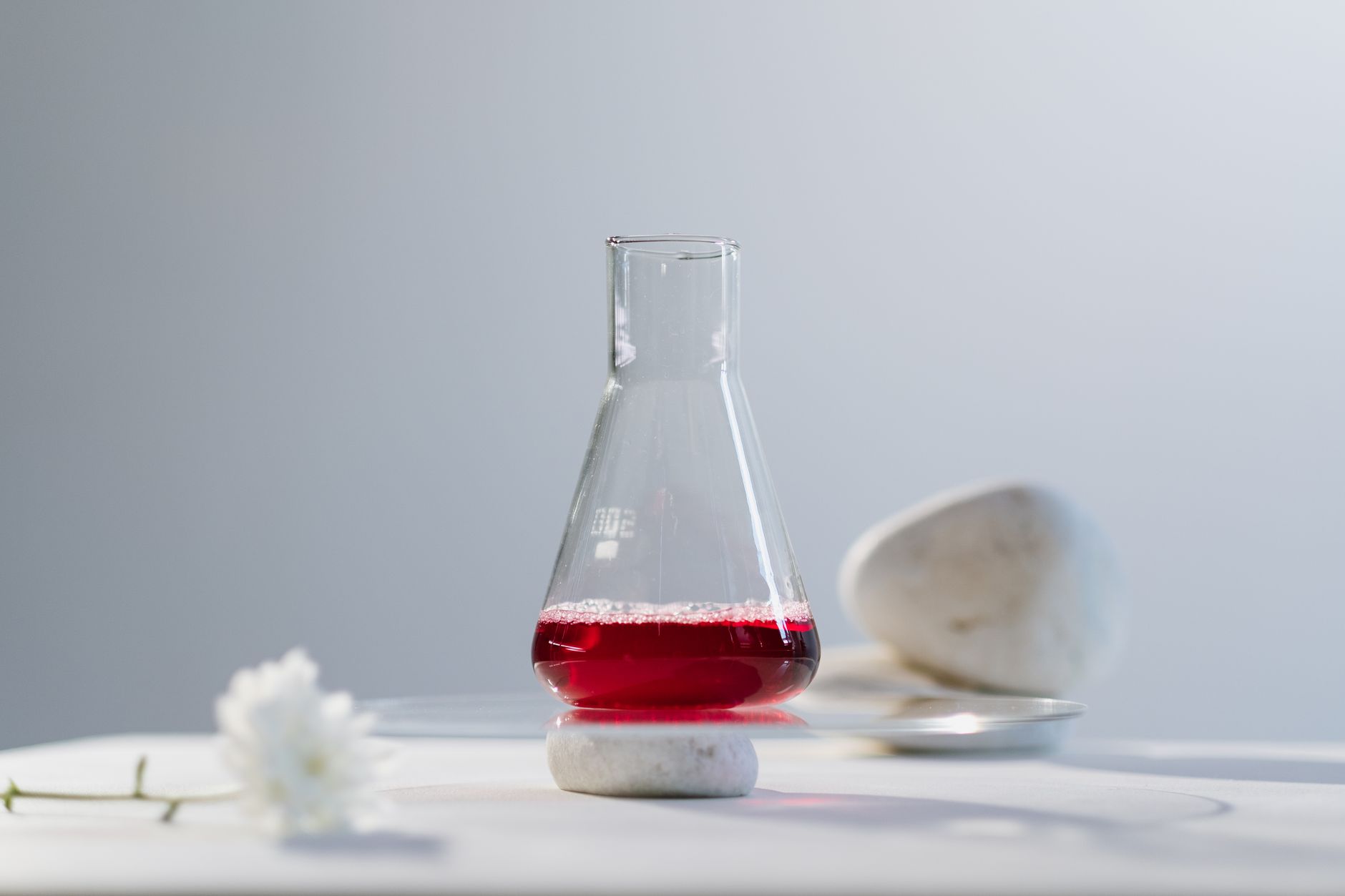
Laboratory flask filled with red media on a white bench in a minimalist laboratory
Fig. 01 / Editor synthesis
  • <0.01%

    Indels per edit

  • <72 h

    Editor expression window

  • 30 Gb

    Whole-genome screen per program

  • 05

    Platform modules

02 / The thesis

CRISPR cut the genome open. B1rde writes it back the way it should read: addressed to a single nucleotide, verified across thirty gigabases, and, for in-vivo programs, delivered in one infusion without taking a cell out of the body.

0 nt

Address window, single guide

0

Therapeutic areas in the pipeline

0

Infusion, curative intent

03 / Platform

Five modules. One editor system.

Every B1rde program runs the same five-module system: precision defines the write, fidelity proves it, control gates it, manufacture produces it, delivery aims it.

Precision

Single-nucleotide resolution, no double-strand breaks.

B1rde editors write one base at a time inside a twelve-nucleotide address window. There is no double-strand break, no donor template, and no scramble of indels to sequence around. The edit lands where it is addressed, or the program does not ship.

Address window
12 nt
Indel rate
<0.01%
On-target concordance
94.7%
Double-strand break
None

Fidelity

Off-target events designed out, then sequenced out.

Every guide set passes an off-target funnel: a structural model, a whole-transcriptome screen, and empirical capture sequencing. Programs are released only when thirty gigabases of whole-genome data show no off-target event above the detection limit.

Whole-genome screen
30 Gb per program
Detected off-targets
Below LOD
Guide redundancy
3x overlapping set
Address mismatch rate
<0.1%

Control

Activity gated to the tissue that needs it.

Editor activity is gated. A tissue-specific promoter decides where the machinery may run, a destabilizing domain sets how long it lives, and a small-molecule switch can end expression early. Exposure is measured in hours, not weeks.

Expression gate
Tissue-specific promoter
Reversibility
Small-molecule shutoff
Dose ramp
4 log range
Expression window
<72 h

Manufacture

GMP editors, synthesized to specification.

Editors are produced as GMP mRNA and guide RNA with a twelve-assay release panel and full batch genealogy. Process analytical technology targets a three percent coefficient of variation on every batch.

Format
mRNA plus guide RNA
Release panel
12 QC assays
Batch consistency
CV <3%
Lead time
6 weeks

Delivery

In-vivo targeting, no ex-vivo handling.

Targeted lipid nanoparticles and engineered capsids address tissue by receptor, so the edit is delivered where it is needed. No ex-vivo handling, no conditioning chemotherapy, one infusion on an outpatient schedule by design.

Vectors
LNP plus AAV capsid panel
Tropism
Hepatocyte, muscle, CNS
Ex-vivo handling
None
Schedule
Single infusion

04 / Pipeline

The pipeline.

Full pipeline
B1rde programs by edit, indication, modality, phase, and next readout
ProgramEditIndicationModalityPhaseNext readout
BRD-101

HbS mutation correction

HBB

Sickle cell disease

Rare disease

In-vivo editorPhase 1/2Interim data Q2 2027
BRD-301

G542X stop-codon correction

CFTR exon 12

Cystic fibrosis

Rare disease

In-vivo editorIND-enablingIND filing Q1 2027
BRD-103

F9 Padua knock-in

F9 exon 8

Hemophilia B

Rare disease

In-vivo editorLead optimizationPh1 start 2028
BRD-202

TRAC to CD19 CAR knock-in

TRAC locus

CD19+ B-cell malignancies

Oncology

Ex-vivo cell therapyLead optimizationPh1 start 2028
BRD-201

Y220C stabilizer potentiation

TP53

TP53-mutant solid tumors

Oncology

Editor-potentiatorDiscoveryCandidate 2027
BRD-203

SIRPa knockout armoring

SIRPa

Acute myeloid leukemia

Oncology

Ex-vivo cell therapyDiscoveryCandidate 2028

05 / Science

Methods and standards.

  1. B1rde Platform Team

    The B1rde editor platform: methods and release standards.

    Platform documentation, available on request, 2026

    Platform methods

Request platform documentation

Peer-reviewed publications follow program readouts.

06 / People

The team.

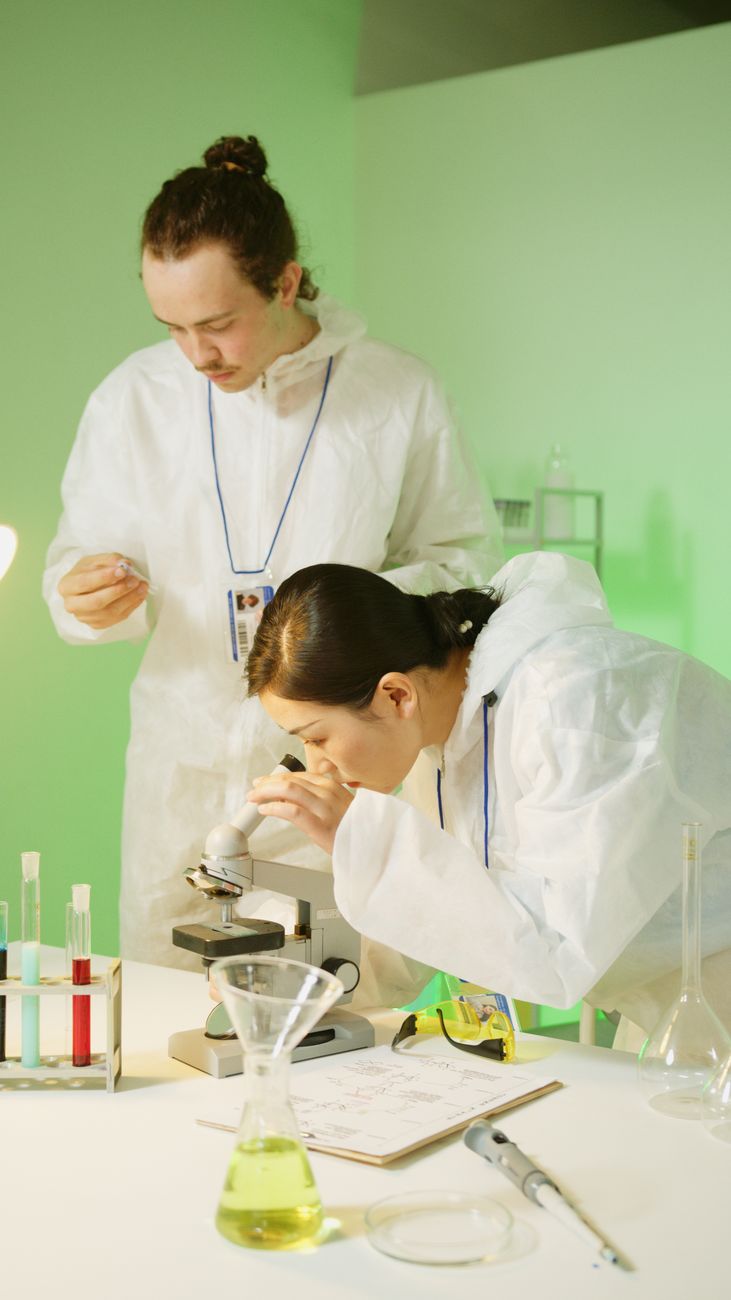
Scientists in protective gowns working at a bench in a bright laboratory
Fig. 05 / Cell-line development
  • Ivo Marchetti

    Chief Executive Officer

    Platform strategy and partnerships

    Led genome-engineering programs before founding B1rde in 2021.

  • Nadia Rahmani

    Chief Scientific Officer

    Editor chemistry

    A career in protein engineering; designed the address-window editor family.

  • Peter Lindgren

    Chief Technology Officer

    Manufacture and quality

    Built GMP cell-therapy operations at a top-ten biopharma before joining B1rde.

  • Grace Osei

    Vice President, Delivery

    Nanoparticle and capsid targeting

    Her receptor-addressed LNP work is behind the single-infusion schedule.

  • Tomas Rivera

    Head of Clinical Development

    Rare-disease trials

    Ran first-in-human gene-therapy studies.

  • Anna Keller

    Head of Regulatory and Quality

    FDA and EMA filings

    Carried gene-therapy BLAs through review.

Scientific advisory board spanning genome biology, structural biology, and clinical gene medicine.

07 / Contact

Partner with us.

Bring a target, a tissue, or an indication. We will bring the editor, the release data, and the delivery vehicle. If you would rather read first, platform documentation is available on request.

Partnerships desk / replies within two business days

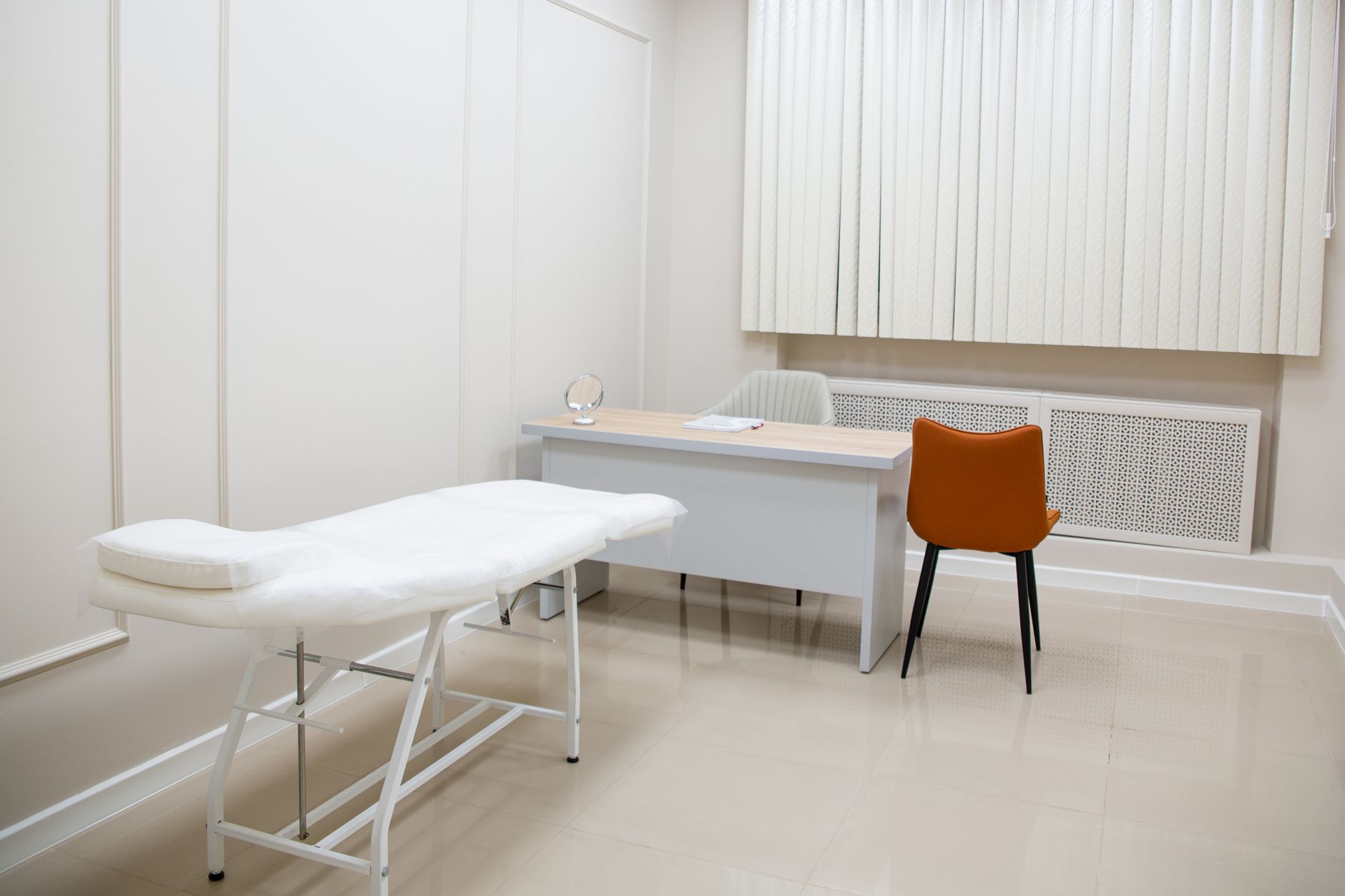
Bright modern clinical room with a treatment chair and clean surfaces
Fig. 06 / Outpatient dosing suite